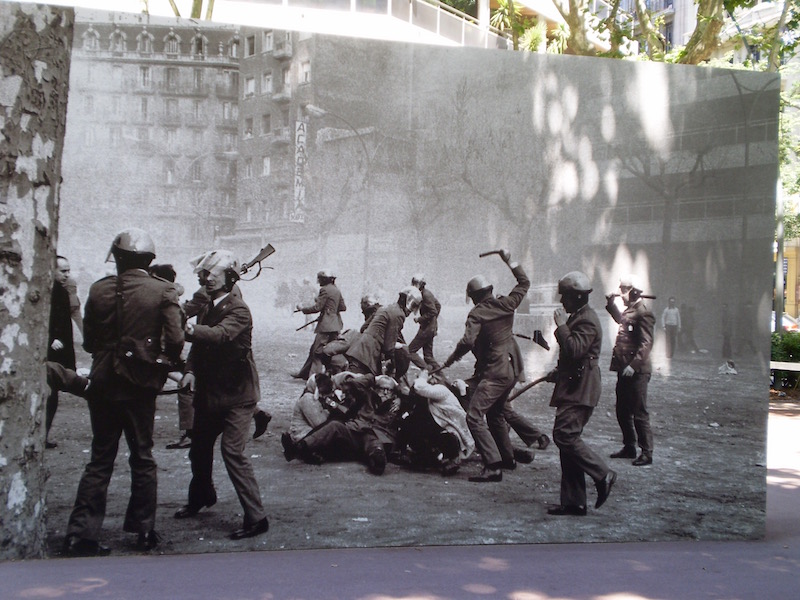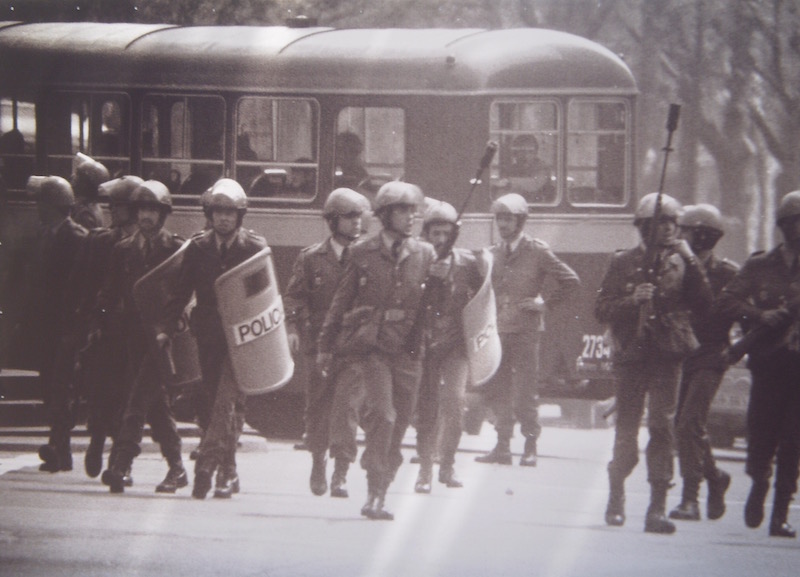
The streets of Barcelona comprise a battlefield which has hosted, and continues to host, skirmishes and more enduring clashes between armed police and local people.
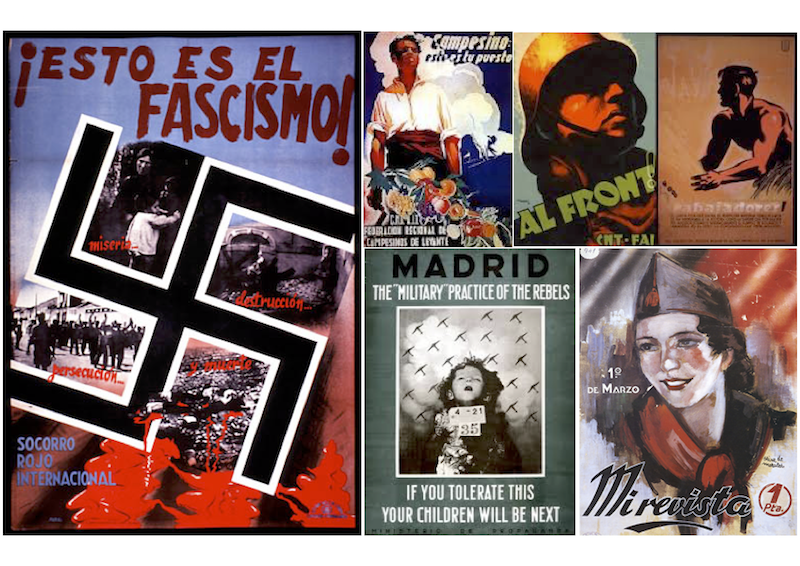
The streets of Barcelona have seen fierce battles over issues such as workers’ rights, the all-pervasive influence of the Church, education, Republicanism, a Stalinist coup, national independence, workers’ self-management, property speculation, squatters’ rights, forced evictions and revolution.
Friday, July 17th, 1936:
Barcelona is awash with rumours — have they or haven’t they?
Tensions are high.
Has a cabal of generals and colonels issued orders to the armed forces to rise against the Republic?
Radio and telephone messages from Morocco suggest so. But government censors suppress newspapers and radio stations from broadcasting what little information there is.
Anarchist spies in barracks across Barcelona report that a military uprising is set to begin during the early hours of Sunday, July 19th.
Local authorities refuse workers’ demands for weapons. Activists in the transport workers union take the initiative and raid two ships in the harbour. They expropriate and distribute 200 rifles.
Saturday, July 18th:
Interminable meetings between representatives of the CNT (Anarcho-Syndicalist union), the police, Assault guards, Guardia Civil and regional government are deadlocked by President Lluís Companys’s refusal to arm workers.
Meanwhile, anarchist militants detain a Guardia Civil courier; he is carrying precise military orders — the uprising is to begin at 5am on Sunday, July 19th.
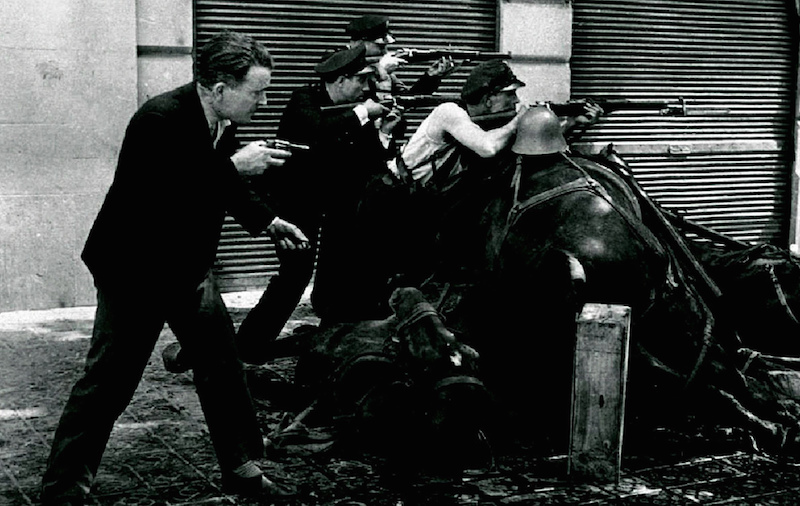
Barricades go up on Paral·lel, Les Rambles and in Sants, Hostafranc, Poble Nou and Sant Andreu, and in neighbouring Sant Adrìa de Besos.
Sunday, July 19th:
5am: Artillery, cavalry and infantry units are on the move…factory sirens in Poble Nou and Poble Sec sound the alarm…armed priests, together with fascists from among their congregations, take up positions in church towers… Continue Reading…